
Dribbling in Football: Dribbling Technique, Football Skills & Drill in Kenya
Master dribbling in football! Learn the dribbling technique, different types of dribbling, and practise football skills with effective drills in Kenya.
Dribbling in Football in Kenya: Different Types of Dribbling Techniques and Essential Skills You Need to Know
In the world of football, dribbling is controlled movement of the ball in full possession, while an opponent is attempting to block the player’s advance. It is the skill that is critical to the creation of an opportunity to score and it is the one that advances play. On Kenya football, ball controlling has almost become an art, as children love to learn technical skills and mid game innovations. Join us and enjoy https://kenya-bets.com/posts/1xbet-aviator as this guide aims to explain dribbling in football, the types of ball controlling, practical techniques, and how football players can hone the skill in Kenya.
Introduction to Football Dribbling in Kenya
Dribbling, appreciated, recognized, and loved is known to be a vital component of the culture of football skills in the country. Ball controlling enables a player to keep the ball in the player’s possession, go around a defender, and create a potential sill to score a goal opportunity. As a dribbler, it is more important to us and more tangible to dribbler’s why tactics and skill are important.
To control the mate, Mihace Olunga and Masoud Juma are known for their strength, skill and speed. They also exemplify in strength. In Nairobi, Mombasa, and Kisumu, there are young trainees being taught how to keep the ball around the players, touch the ball using different parts of the foot, and maintain control of the ball in all conditions. One of the very first skills to learn to become a footballer is the ability to excel and be better than the other players. This skill will work in your favor when in a competitive environment.
What Is Dribbling in Football?
The art of dribbling is the kind of maneuvering, controlling, and physically moving the ball on the pitch. It enables the players to keep the ball, dodge defenders and make a strong attack on the net. Ball controlling is unlike passing and shooting, in the sense that ball controlling requires the ball to be constantly touched and the player to be in full control of the position of the ball in relation to his feet.
Dribbling in its simplest form is an amalgamation of control and the body’s sense of timing and space. The player can use the different parts of the foot to control the ball such as the inside, outside, and even the sole of the foot. The coaches in Kenya believe that ball controlling is vital in teaching the younger players about not only the technical aspects of the game, but also confidence and creativity. It is a form of self-expression, that whilst emphasizing on the player’s individuality, also contributes to the overall team movement.
Different Types of Dribbling in Football
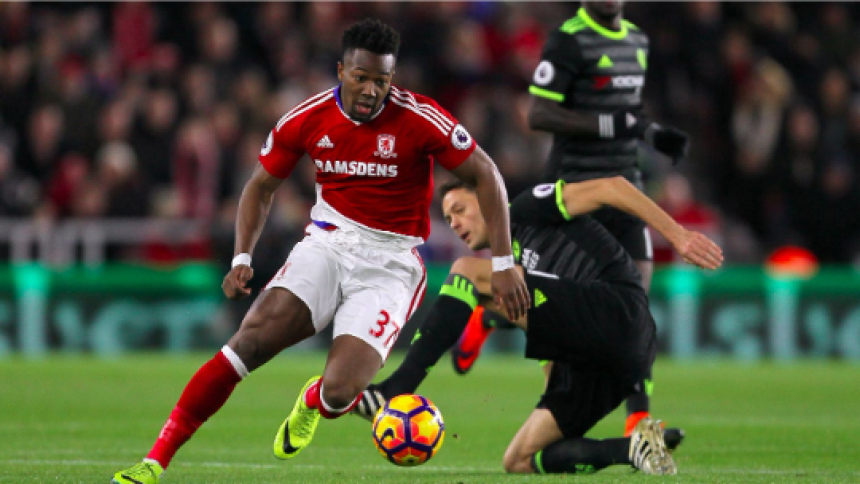
To a large extent, there are a different number of ways of dribbling the ball that are appropriate for distinctive conditions on the pitch. Knowing about these differences makes players better able to deal with different situations and opponents. ball controlling styles among Kenyan football players, especially in active youth leagues, is encouraged in order to train them to be multi-dimensional players.
Low Dribble
The low maneuvering is defined as having the ball very close to the feet and the surface on which it is being dribbled. Like any other form of dribbling, it has its uses. It works very well in tight situations or when being closely marked. Players balance very low using controlled increments to increase protective custody of the “sacred” ball. This is a technique you will find with most midfielders.
In Kenya, football academies have adopted this in their drills to teach the players a sense of calmness in the presence of “danger”. Close ball control means you are in a better zone to try and change directions very quickly.
Speed Dribble
Speed dribbling is all about the ability to go very fast with the ball while dribbling it. This is a technique mostly used by wingers and strikers in their bid to find space and to also initiate counterattacks. The player will have the ball and will gently push or rather push the ball a tad bit, then he/she will go all out and run as fast as he/she can, while being be very ready to adapt, should some form of an obstruction come his/her way.
Speed maneuvers during defensive to offensive transitions in the matches that are played in the Kenyan Premier League are very common. These moves are very explosive, combining a rush of power used with a controlled increase in speed. In an effective speed maneuver, you should also be able to monitor your surroundings in order to the ball.
Crossover Dribble
The crossover dribble is an intricate form of movement with the ball. This technique is used when in the presence of a defender. The player moves the ball from one foot to the other and then speeds the feet in an order that is meant to confuse the opponent. Most young Kenyan strikers can do this move, just like Messi or Neymar, in order to try to bamboozle a defender for a momentary and brief window in order to gain space to move or to. Defenders do not move to actively block.
Hockey Dribble
Dribbling like a hockey player is a pattern characterized by quick and changing movements with both feet, communicating with a person with both feet just like a person would with an hockey stick. This technique is best for maneuvering in a crowd or waiting for help from a teammate.
Half-Reverse Dribble
Protecting the football while reverse dribbling is an art in swift turns. Shields the body with the ball whilst turning and pivoting, moving away from a defender. This is mostly done by a midfielder. Many Kenyan footballers turn to this technique when confronted by a surround of players, giving them the ability to hold tightly onto the ball and enable dribbling or passing in closely guarded scenarios.
How to Dribble a Football — Step by Step Best Dribbling Practice
Mastering dribbling movements entails collecting a range of requisite constituents to make rehearsals. Players from all over the globe can use this guide to help boost control over the ball and optimize cover for the globe.
Tap the Ball, Don’t Kick It
Dribbling, for example, is much more about how the ball is touched rather than how fiercely it is kicked. Within reason, a player is meant to use the inner and outer parts of both feet in a more gentle manner for the ball to be easy and folate. Practicing, as an example, on the rough terrains is a given in Kenya and allows for a much refined touch.
Use Your Body to Protect the Ball
A good maneuverr is also a good use of a body of a shield. By putting the body in between the ball and the other player, the chances of losing the ball decreases enormously. The defender has no other option other than to lean a but more, and try to balance, and to rest the other opponent is a given. This is strategically used in Kenya to coach players for real life physical confrontations.
Adjust Your Dribbling and Change Pace
Changing the speed whiles dribbling is the best way to keep the defenders disoriented. Increasing, or in the alternative, decreasing speed creates chances and confuses the other players. This is the cycle skills most players in Kenya have as a result of street football, in which case, a lot of unplanned improvisation is a crucial element.
Stay Closer to the Ball
Always in any given condition, distance the player maintains closer to the ball means more control, and faster reactions will be in place. It is always best to keep your foot, and the ball at a range of one or two feet. to practice, as an example, on any other surface of the ball, be it grass or artificial football turf, to improves control.
Practice Makes Perfect
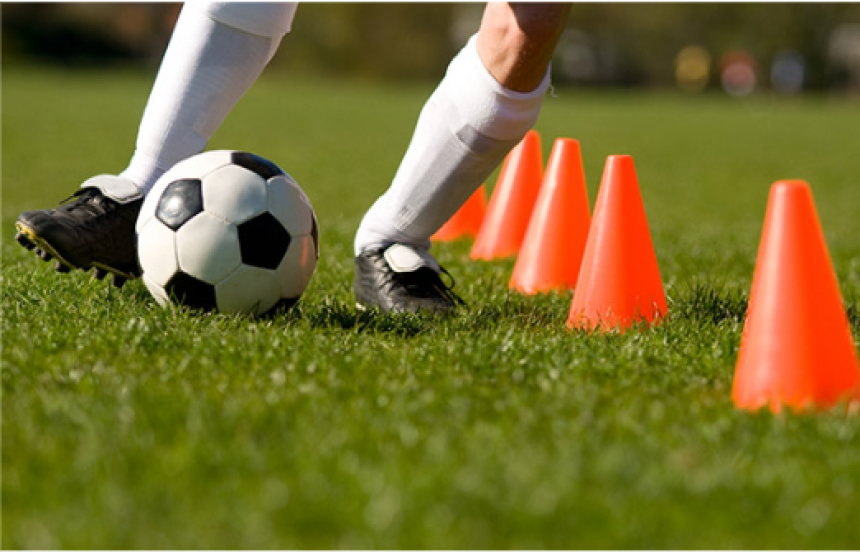
Practice helps develop proficient dribbling skills. Kenyan footballers spend sessions on cone training sets, one-on-one challenges, and other tech training sets. Each repeated action helps build muscle memory which allows players to perform smoothly during matches.
How to Improve Your Dribbling Skill
Improving a skill takes patience, practice, and techniques. Kenyan footballers can use these strategies to enhance control, agility, and confidence on the ball.
Focus on Control and Balance
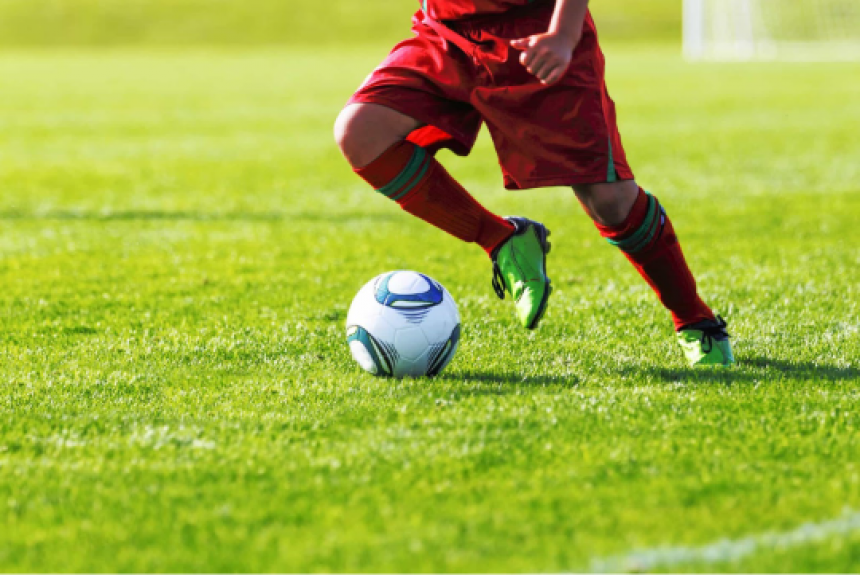
Balance is the beginning of good dribbling. Players must have a bit of weight forward, knees bent, and balance to be mobile. Coordination training sets which involve lateral movements and agility ladders are good for these skills. Practice in pressure situations is a must and helps control and maintain conditions under pressure.
Use Cone Drills
Cone training sets enhance precision and control, which are key skills for being a proficient maneuverr. Arranging cones in zigzag or linear allows players to practice changes in direction and speed of touch. Kenyan football academies break the training sets practice for refining foot work, coordination, and decision-making.
Practice with Local Players
Game situations and practice helps players notice areas in which they need to improve, along with flexibility and overall skill. Dribbling in local sessions with players helps improve skills by testing them against real dribbling strategies.
Train with Coaches in Kenya
Skill development is made easy with feedback and targeted exercises from a professional. Dribbling and other techniques Kenya's football academies Kariobangi Sharks and Mathare Youth Sports Association emphasize focus and creativity. Dribbling coaches work with students to identify mistakes and tailor exercises to shift control and imagination.
Conclusion
Personal growth in football stems from proactive dribbling. For a Kenyan player, dribbling could serve as a passport from local leagues to professional football. There is a direct relationship in practicing different methods of dribbling vis-a-vis stockpiling control, balance, and training to be able to improve one's dribbling skill. Controlled dribbling, practiced in street games and organized academies, increases a footballer's chance of success.

FAQsWhat Are the Main Types of Dribbling in Soccer?
Dribbles under the different categories can be low, speed, crossover, hockey, half reverse and more. Each one serves a certain function like protecting the ball, beating a defender and more.
Who Is the Best Dribbler in Kenya?
Though opinions differ, Michael Olunga and Ayub Timbe come to the forefront of exceptional dribbling. Their ball control, agility as well as tactical awareness is evident in matches at home and abroad.
How Often Should I Practice Dribbling?
It is hghly recommended that dribbling be practiced on a daily basis. With great concentration, even short periods of practicing for 30–45 minutes will show dramatic impacts on one's dribbling control, rhythm, and overall muscle memory.
What Equipment Do I Need to Practice Dribbling?
The most important pieces of equipment needed to begin practicing include a football, a set of appropriate shoes or boots, and practice cones for drills. In Kenya, many players train in open fields or community pitches that are easily accessible and require very little equipment.
What Is the Best Way to Improve Dribbling Skills Quickly?
The quickest way to improve is by using a set of cone drills, practicing in pairs, and following specific instructions. Simulated match scenarios are also helpful for players as they help to enhance the players’ ability to control the ball under different pressures and game conditions.